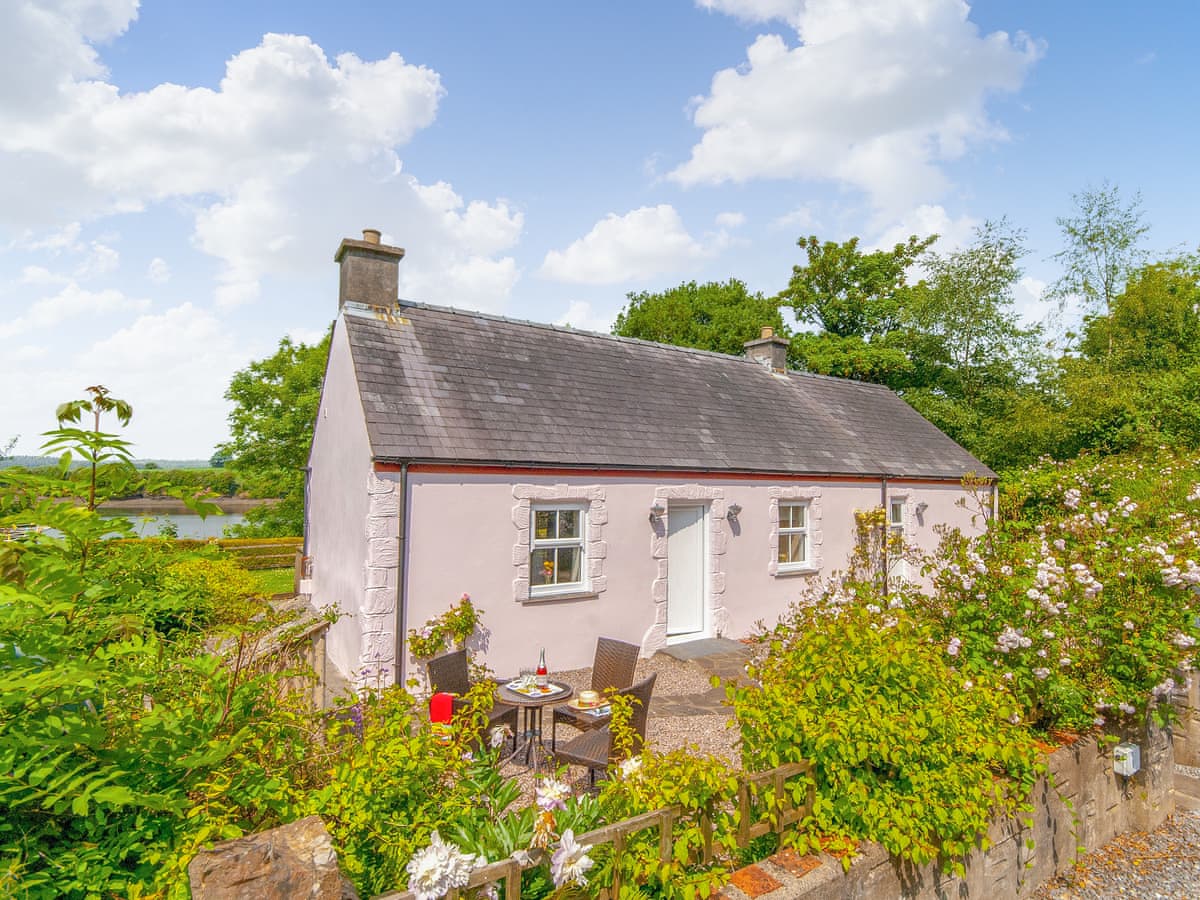
 Photo: welshbabe (CC BY-SA 2.0)
Lawrenny
A wooded estate village on the Daugleddau, with a yacht quay, oak woods and one of the quietest stretches of water in Wales.
Lawrenny sits on the Daugleddau, the inland waterway where the Eastern and Western Cleddau meet and wind between steep oak woods towards Milford Haven. Locals call it the secret waterway and the description holds — this is tidal, saltmarsh-and-woodland country with almost no development, a landscape closer to a Devon creek than to the open Pembrokeshire coast, and it is barely visited compared with the beaches twenty minutes away.
The village is small and estate-built, its church tower conspicuously tall for the size of the place, and it sits above Lawrenny Quay, where a yacht station, moorings and a waterside café make the obvious focus. Kayaks and paddleboards are the right way to see the creeks: on a rising tide you can drift up towards Garron Pill and Cresswell Quay with nothing but herons, egrets, curlew and the odd fishing boat for company. Lawrenny Wood, a National Trust holding of ancient oak, comes down to the water's edge and gives easy circular walks with views over the confluence.
Set expectations correctly. There is no beach, no shop and no coast path — this is a river-and-woods holiday, not a bucket-and-spade one, and the lanes in are narrow and unlit. But Pembroke is twenty minutes, Tenby thirty and the south coast beaches around half an hour, so it works well as a calm base for people who want the water without the crowds. In midsummer the quay gets busy for a few hours a day; by evening it is silent again.
Where to stay in Lawrenny
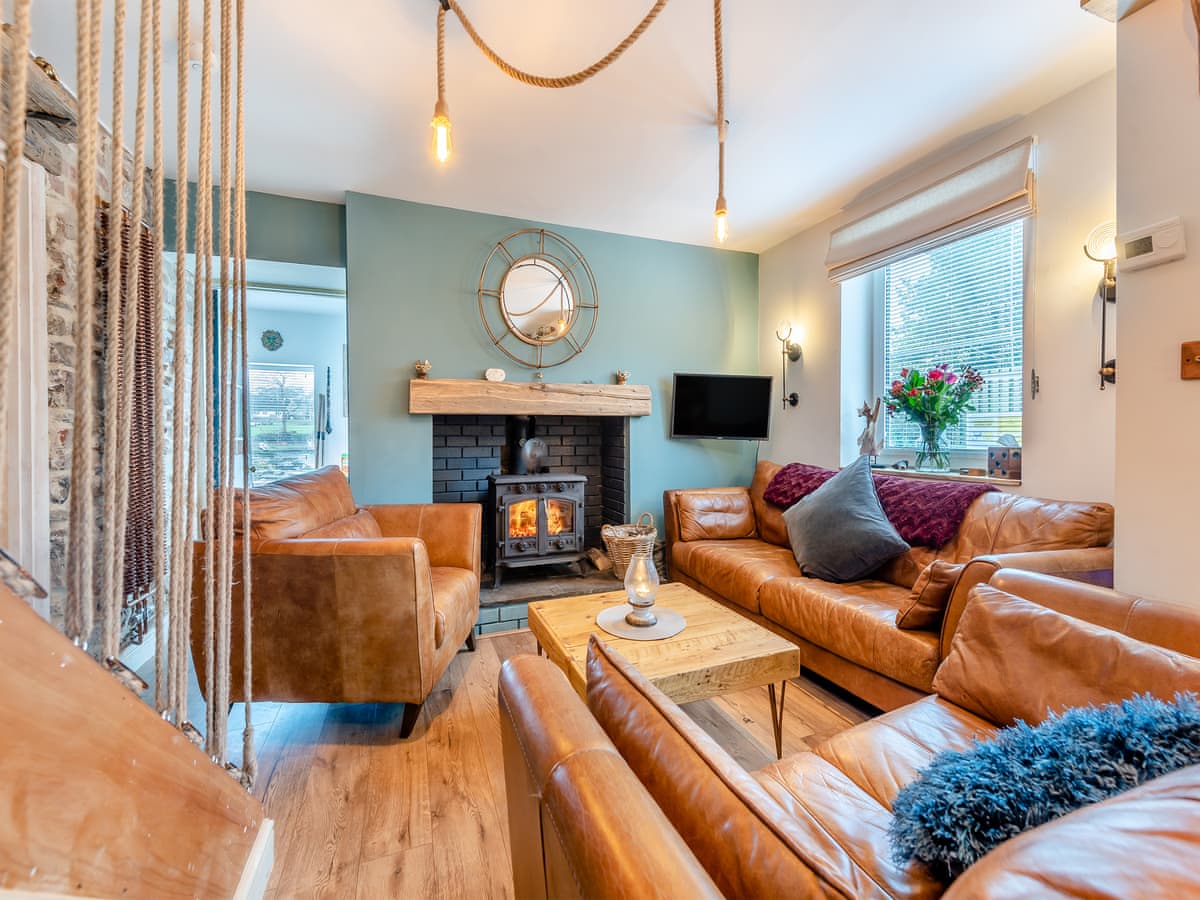
Cottages in the village and around the quay put the water, the woods and the café within walking distance and suit couples and small families. Larger converted farm buildings in the surrounding lanes give gardens, hot tubs and space for groups, though you will drive to shops. A car is essential either way.
Getting there
Narrow lanes from the A4075 near Cresselly, signposted through Yerbeston and Lawrenny village. No nearby station; Kilgetty and Pembroke are each around twenty-five minutes by car.
Stays in Lawrenny by feature
Places to stay in Lawrenny
Eating out and things to do in Lawrenny
Pubs, restaurants, cafés, attractions and activities in and around Lawrenny.
Everything to do in and around Lawrenny, in one place →
Lawrenny Castle
Historic siteSite of Lawrenny Castle, the great Victorian mansion demolished in the 1950s — the terraced viewpoint above the Cleddau survives, and it's some view.
Coastal walks near Lawrenny

Carew Castle, the Tidal Mill and the Millpond
A flat, waymarked circuit of the millpond with a castle at one end and the only restored tidal mill in Wales at the other.
3 miles · 1½ hours · Easy
Pembroke to West Angle Bay
The longest and least-walked stage: quiet shores of the Pembroke River, the industrial edge of the waterway, then the birdlife of Angle Bay and the forts at the harbour mouth.
13.5 miles · 6–7 hours · Moderate

Pembroke Castle and the Mill Pond
A short, level loop round the water beneath one of the great castles of Britain, good for an hour with a pushchair or a dog.
2 miles · 1 hour · Easy
Every walk starting near Lawrenny — distance, ascent, parking →
Lawrenny: common questions
Which beaches are closest to Lawrenny?
Freshwater East is the nearest we list, about 8.4km (5.3 miles) away, followed by Swanlake Bay (9.1km (5.6 miles)) and Manorbier Bay (9.7km (6.0 miles)). Distances are straight-line from the centre of the village, so allow more by road.
Are there good pubs in Lawrenny?
We list 2 pubs in and around Lawrenny. There are another 1 places to eat and drink nearby — cafés, restaurants and bars.
Where can I park in Lawrenny?
We map 3 car parks in and around Lawrenny. Coastal car parks fill early in July and August — arriving before 10am or after 4pm makes a real difference.
Answers are generated from what we actually hold in our database and refreshed as it changes. Opening hours, dog rules and prices move — check with the venue before you travel.
Also consider

Tenby
Pembrokeshire's postcard town: pastel Georgian houses above three superb beaches, a working harbour and medieval walls — the classic Welsh seaside holiday.
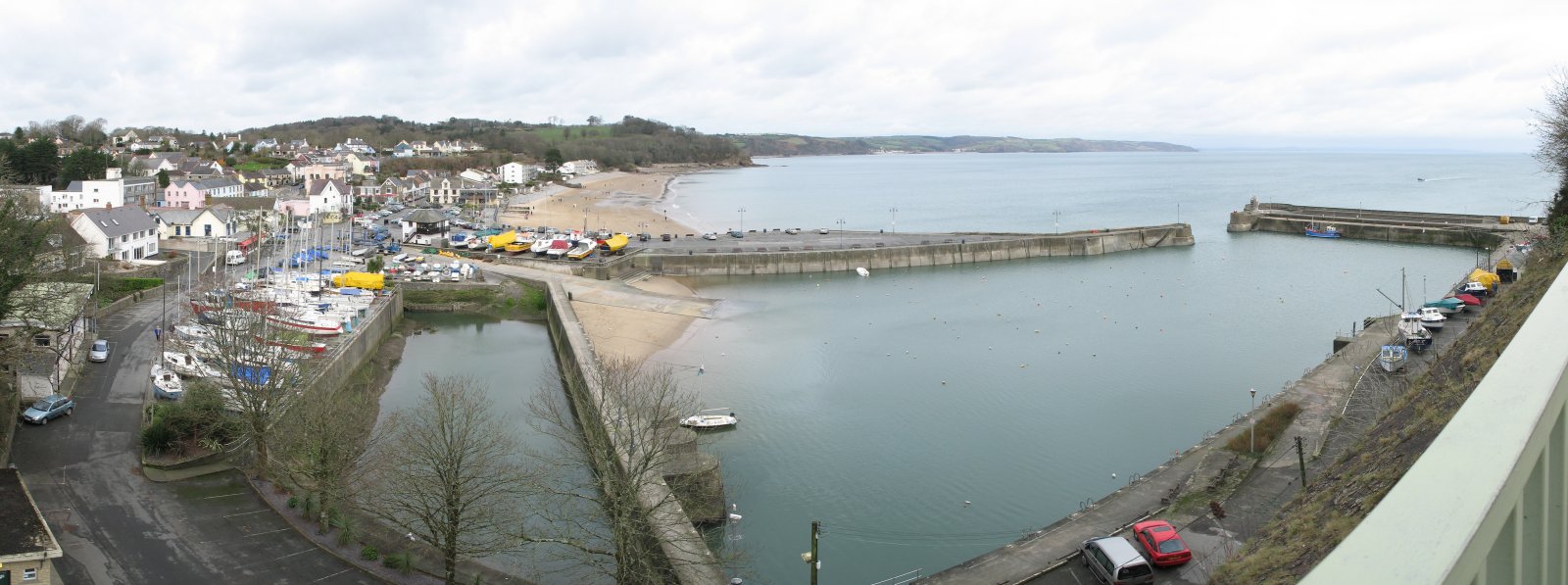
Saundersfoot
Big sandy beach, busy little harbour and a proper seaside village centre — Tenby's more relaxed neighbour, three miles up the coast.

St Davids
Britain's smallest city — a cathedral in a hollow, Whitesands Bay up the road, and the wildest, most beautiful corner of the national park all around.